Ohio Fluorescent Bulb Recycling Regulations
Quick Facts:
- Due to mercury concerns, recycling fluorescent bulbs is highly recommended by the Ohio EPA and is required for many facilities throughout the state
- Crushing fluorescent bulbs is allowed in Ohio
- Bulb recycling by mail is allowed in Ohio
Recycling Options Available in Ohio:
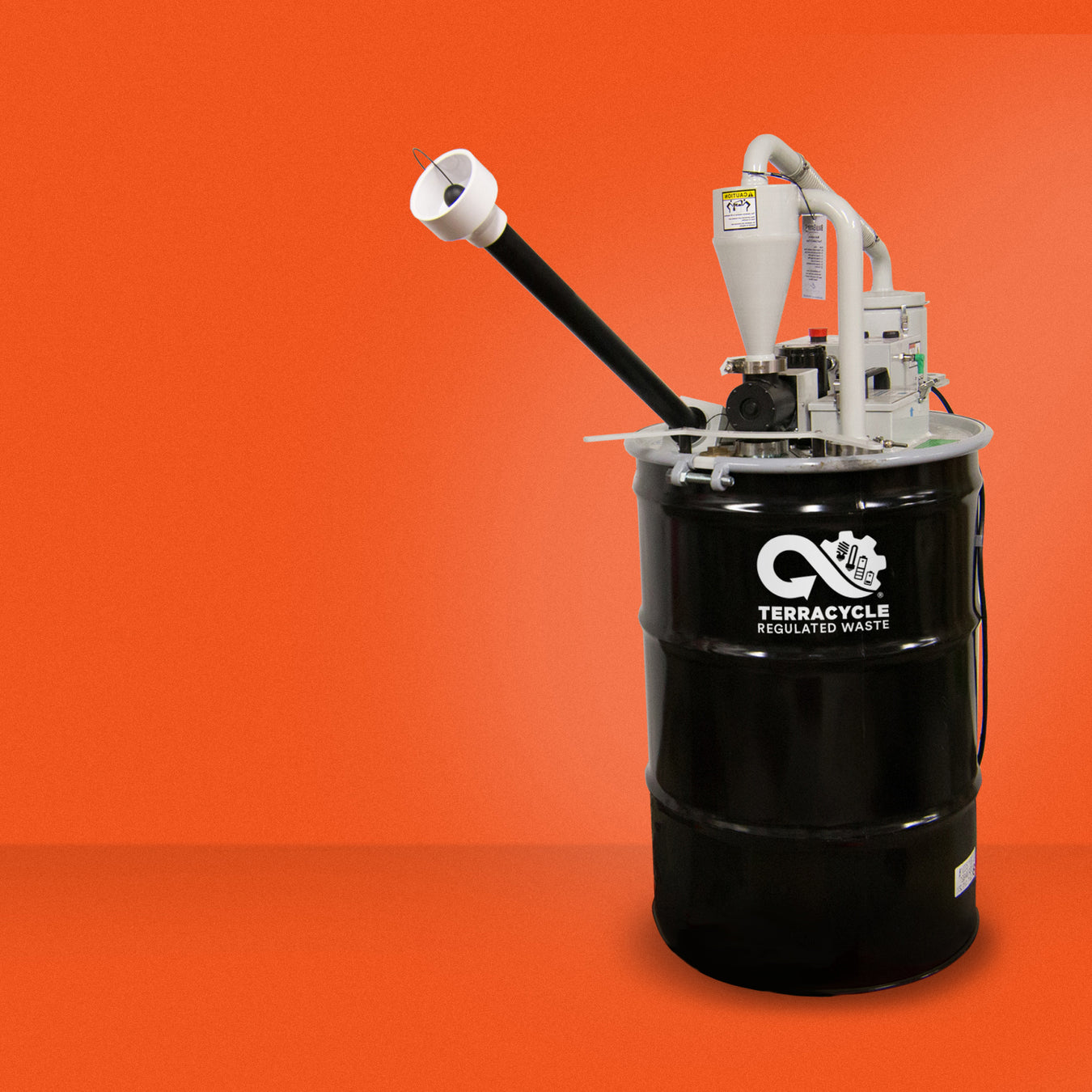
THE BULB EATER
Crushes fluorescent lamps of any size while removing mercury vapors. Reduces labor, recycling costs, and storage vs. packing lamps
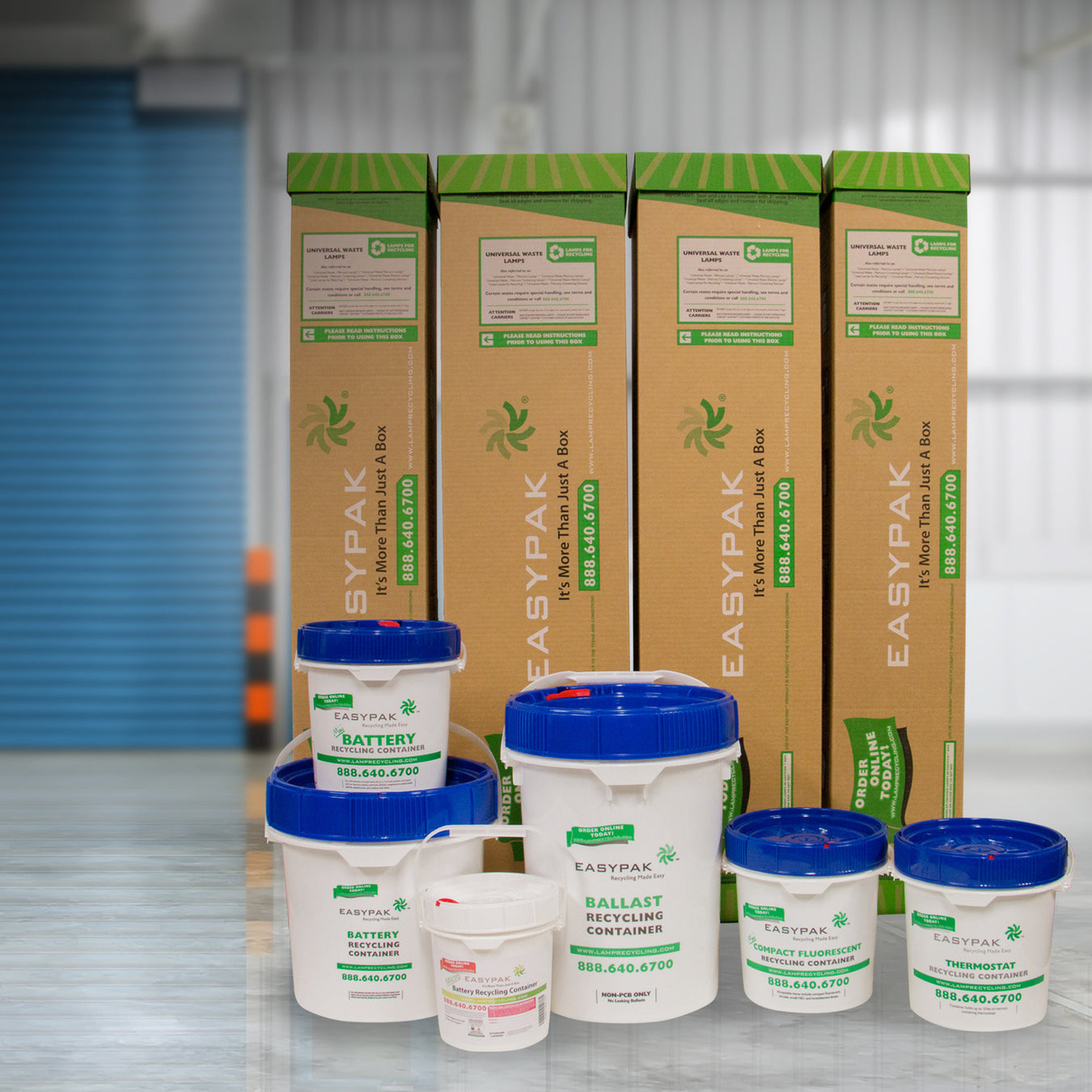
EASYPAK RECYCLING CONTAINERS
Fill up containers with bulbs, ballasts, batteries, or e-waste at your own pace and mail back via prepaid shipping
BULK RECYCLING PICKUPS
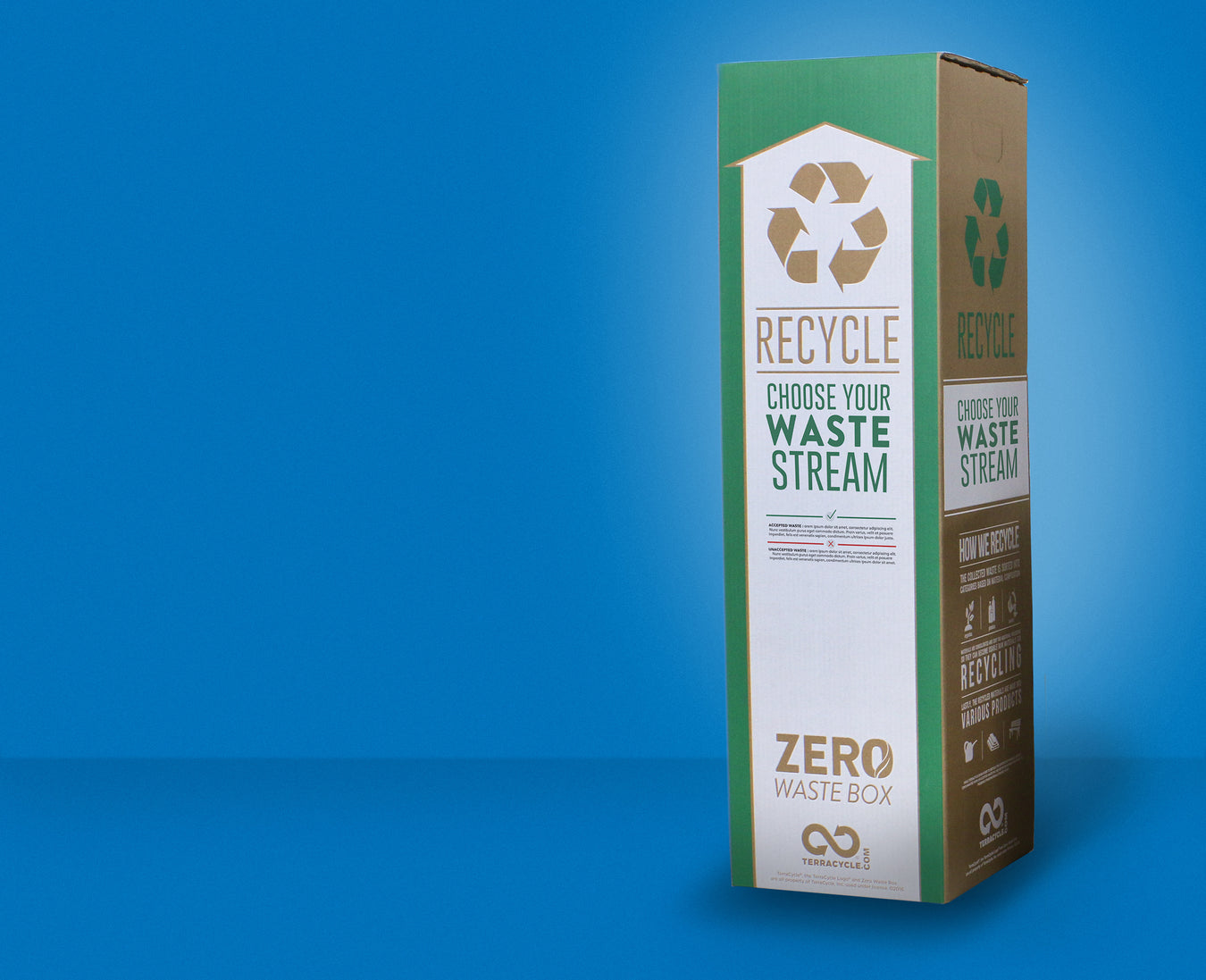
For larger amounts of bulbs, ballasts, batteries, or e-waste. Trucks come pick up waste at your location for recycling
Questions about recycling in your state? Contact us for more information.
Detailed Ohio Fluorescent Bulb Recycling Regulations
The stringency chart below provides examples of state regulations compared to the EPA regulations.
We strongly recommend that you discuss stringency with your primary state regulatory contact. This information should not be interpreted as definitive legal guidance. This document was produced in June 2004, and we do not guarantee its accuracy after that date, as state policies may change at any time.
("same" means the state policy is the same as the federal policy)
Confused about terminology (CESQG, UW, TCLP, etc.)? Refer to this glossary for help.
| Jurisdiction | Generator Exemption (CESQG) |
Where can waste from CESQG go? | Can the waste be declared non- hazardous, based on TCLP? | Other stringency or exemptions? |
| Federal EPA | Generators producing less than 100 kg (220 pounds) of hazardous waste (HW) or 1 kg acute HW in each month, including all HW generated. CESQGs are exempt from federal rules, but not exempt from liability (40 CFR 261.5) | Waste may go to any Municipal Solid Waste Landfill (MSWLF) | Wastes that test less than 0.2mg/l soluble mercury are not considered hazardous under federal rules. | Crushing can only be done by generator (40 CFR 262.34); crushed waste that is not UW- must be managed as RCRA HW. Crushing not allowed within federal UWR, but may be within State UW regulations. No one may crush third-party lamps without treatment authorization [1]. No mobile treatment units. |
| Ohio | All business lamps are regulated, regardless of size of business or how many lamps. | Waste must go to RCRA Sub-C facility or state equivalent | same | Same as federal. |
State Regulatory Contacts
| Primary Contact | Title | Agency Address | Phone | |
| Jeffrey Mayhugh | Supervisor | Ohio EPA, Hazardous Waste Compliance and Inspection Support, Division of Materials and Waste Management - 50 West Town Street P.O. Box 1049 Columbus, Ohio, 43216-1049 |
(614) 644-2950 | Jeffrey.Mayhugh@epa.ohio.gov |
| Secondary Contact | Title | Phone | ||
| Timothy Killeen | (614) 728-8961 | Timothy.Killeen@epa.ohio.gov | ||
|
Ohio EPA, Hazardous Waste Compliance and Inspection Support, Division of Materials and Waste Management Main Number |
(614) 466-2621 | |||
| EPA Main Number | (614) 644-3020 or 1-800-426-6515 | |||
More Resources
| Web Links and Informational Resources | |
| Ohio Environmental Protection Agency Home Page | https://www.epa.state.oh.us |
| Fluorescent Lamps: What You Should Know | https://www.epa.ohio.gov/portals/32/pdf/LampGuidance.pdf |
| Ohio EPA, Division of Hazardous Waste Management Web Site | https://www.epa.state.oh.us/dhwm |