


BulkPak
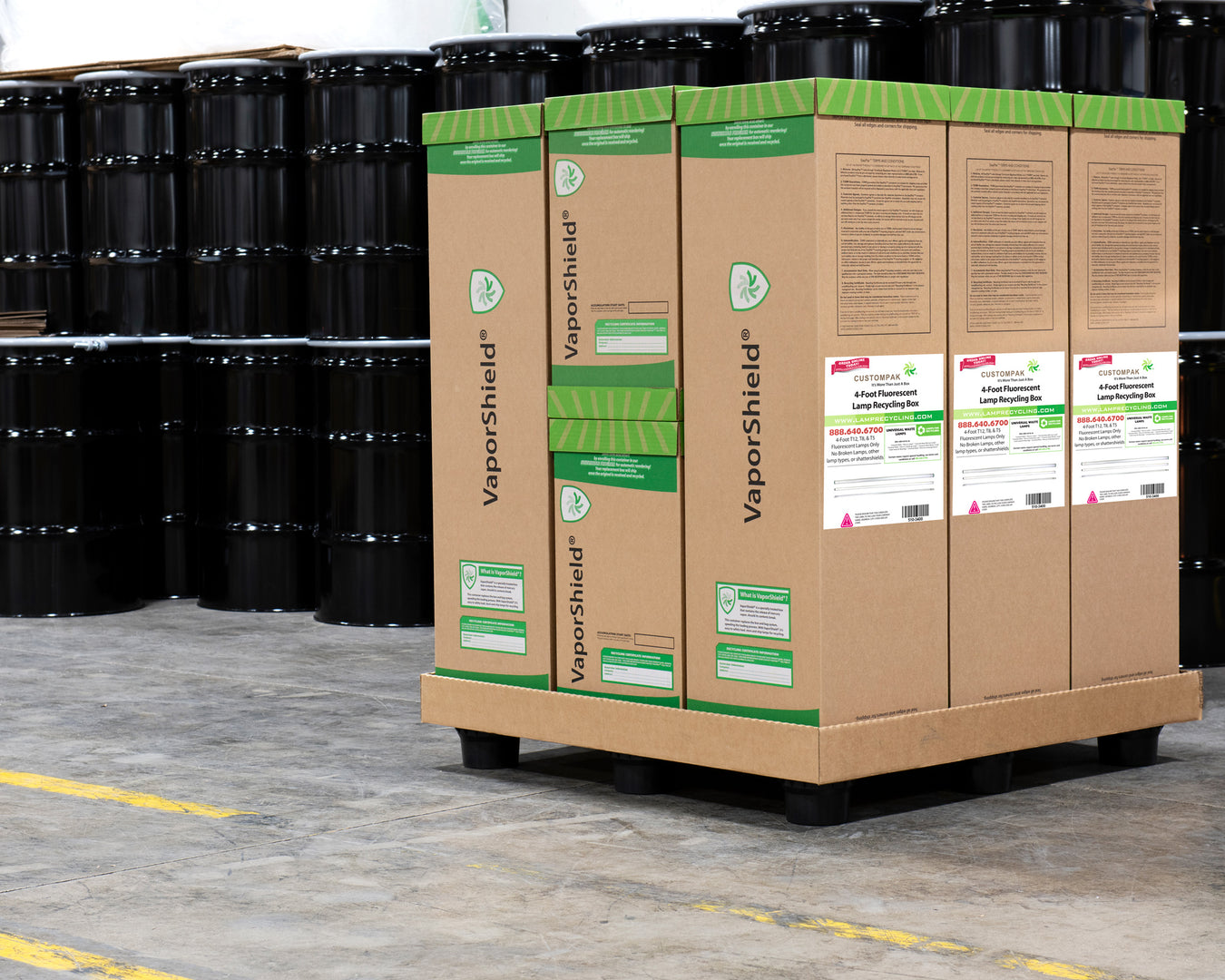
Our innovative BulkPak program combines the best elements of our traditional EasyPak™ mail-back program and our high-volume freight services to make recycling even easier and more affordable.
Our innovative BulkPak program combines the best elements of our traditional EasyPak™ mail-back program and our high-volume freight services to make recycling even easier and more affordable.

NEW - Did you know that you can recycle Solar Panels through our Bulk Recycling program? Now available in the Midwest, Northeast and Southeast regions!
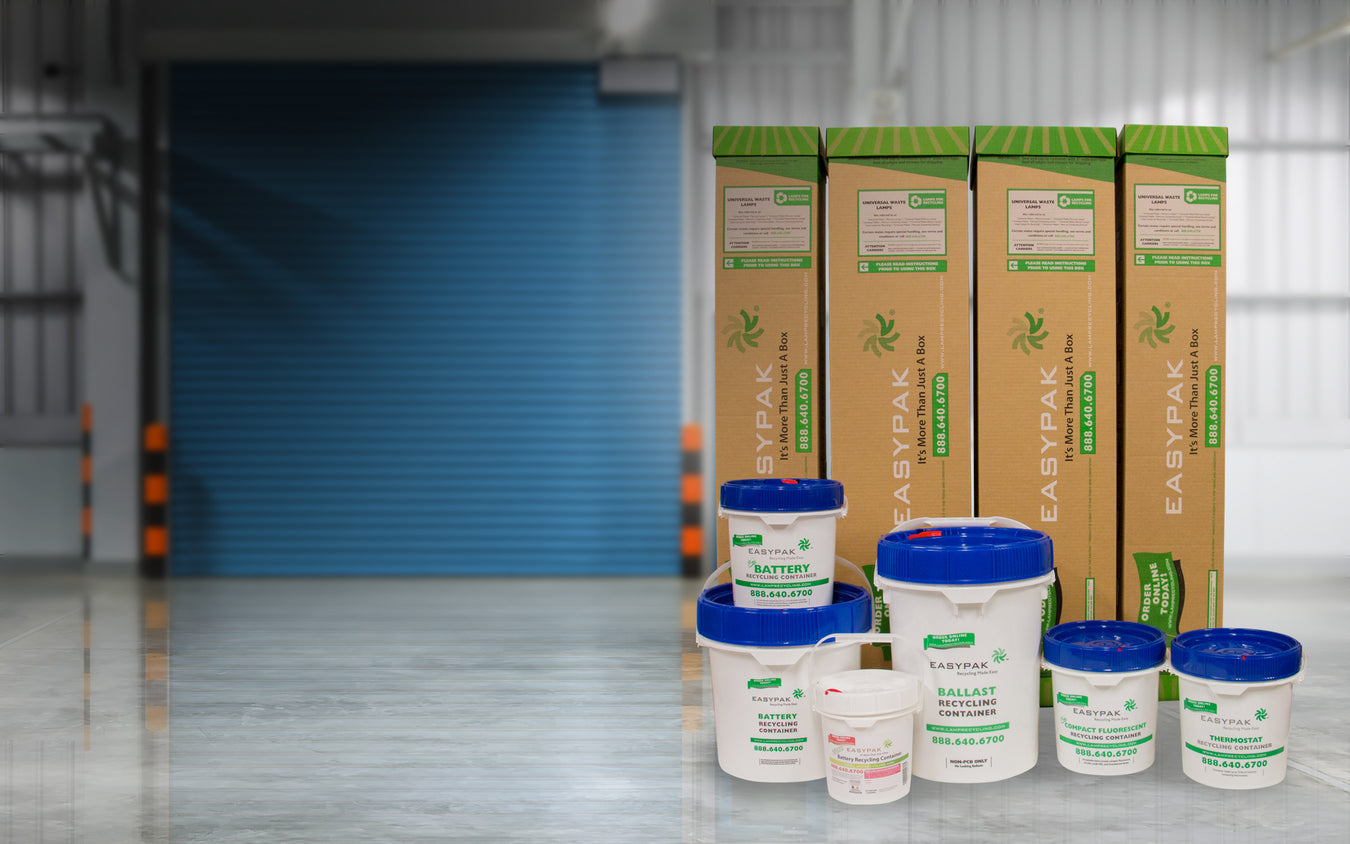
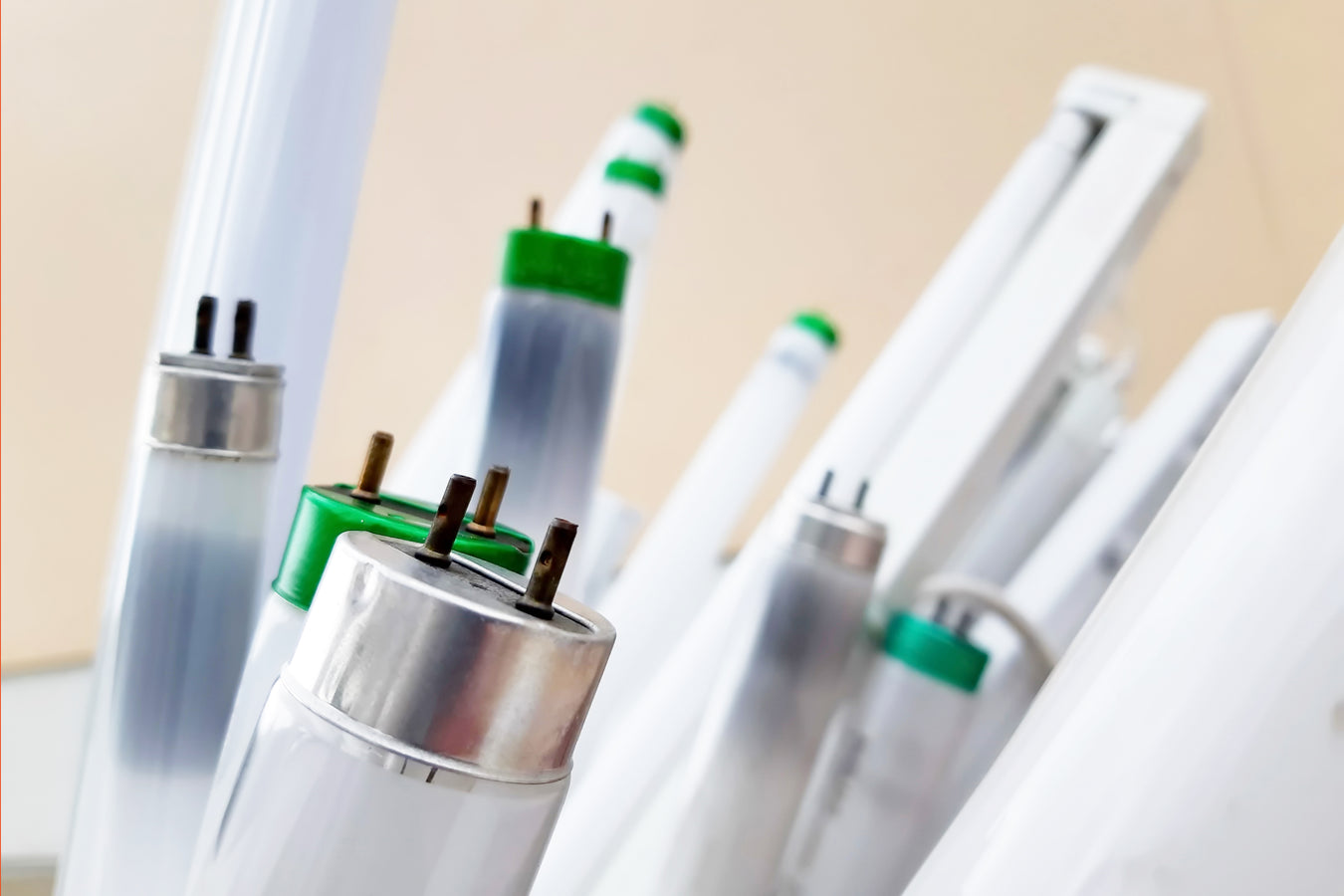
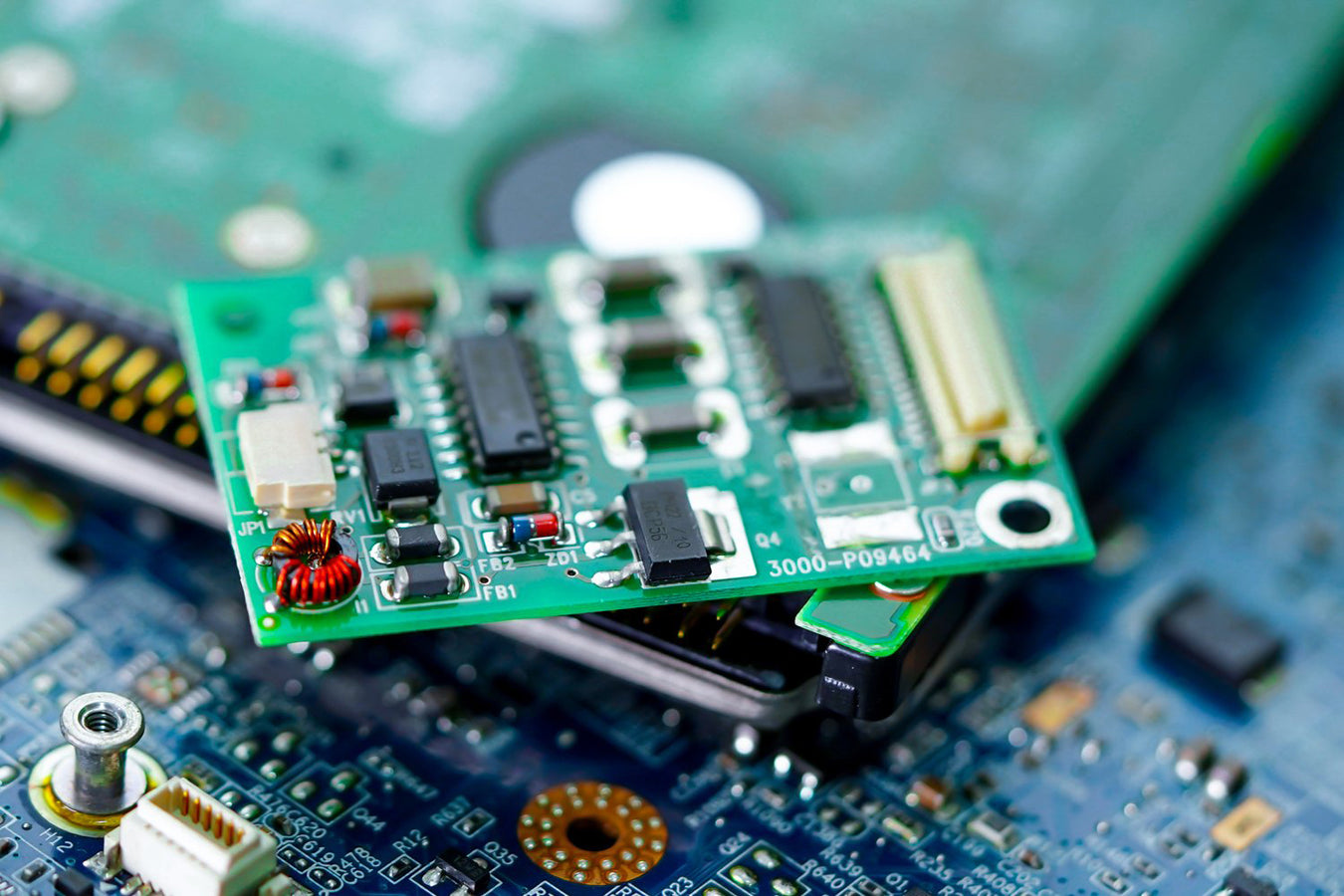
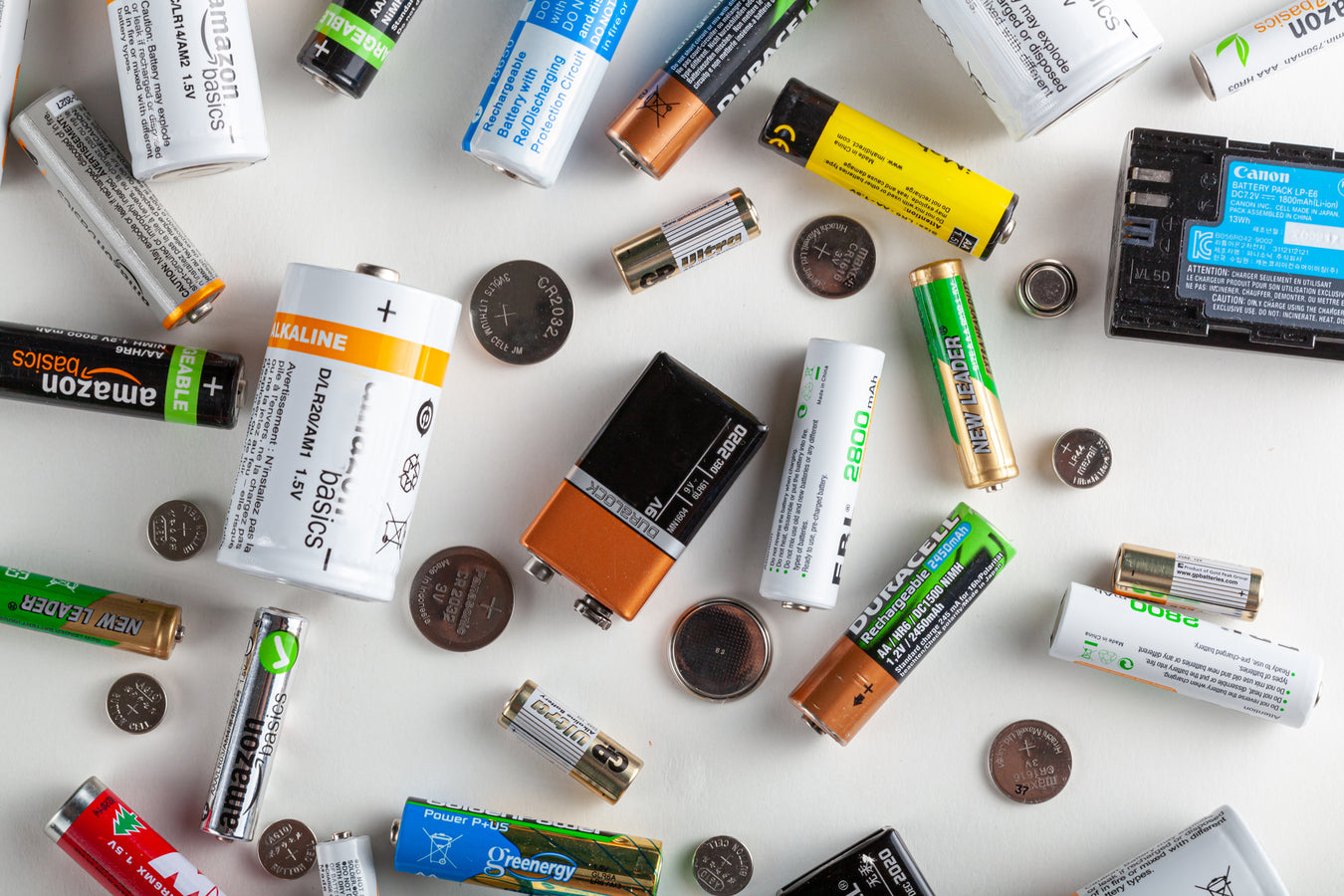
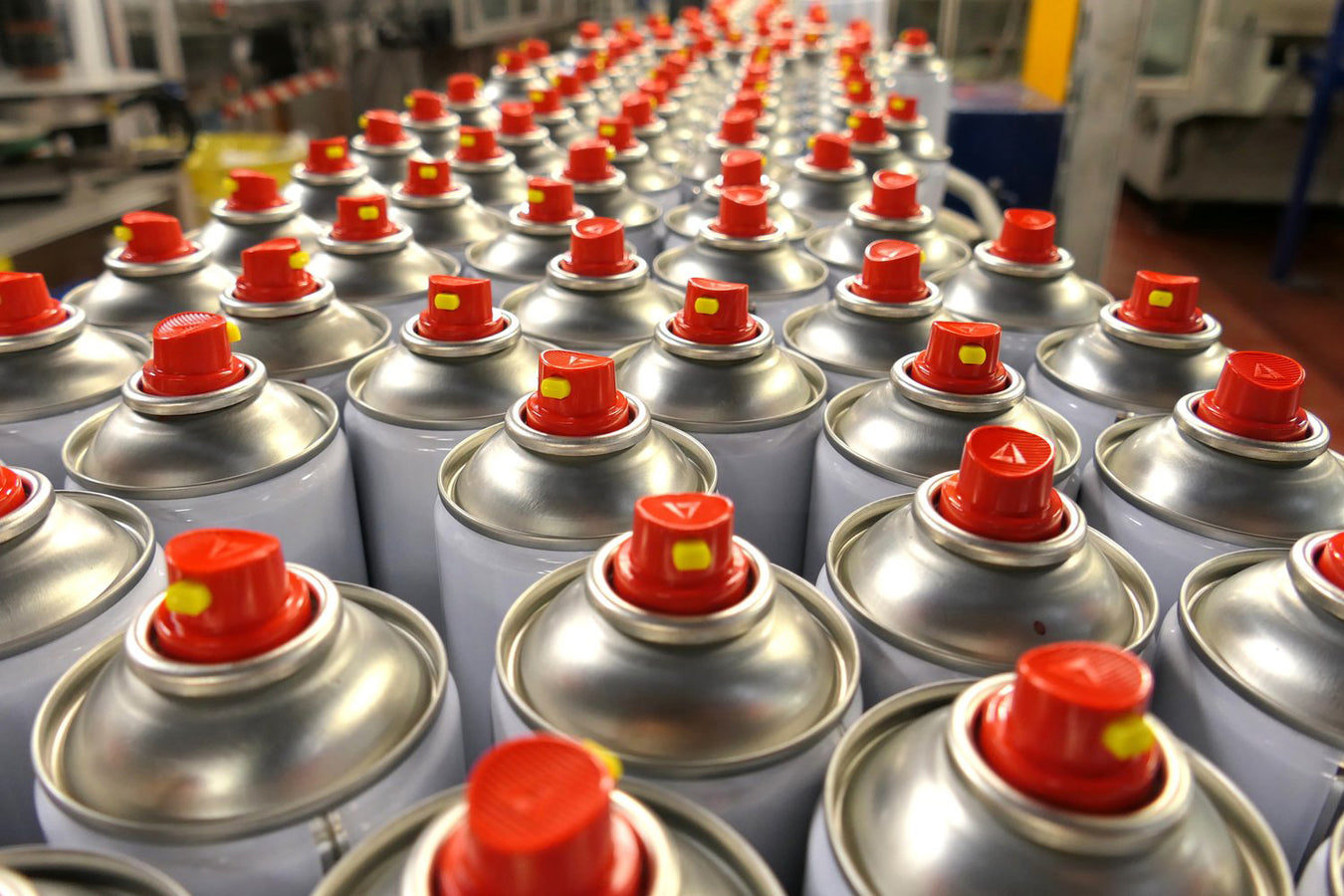
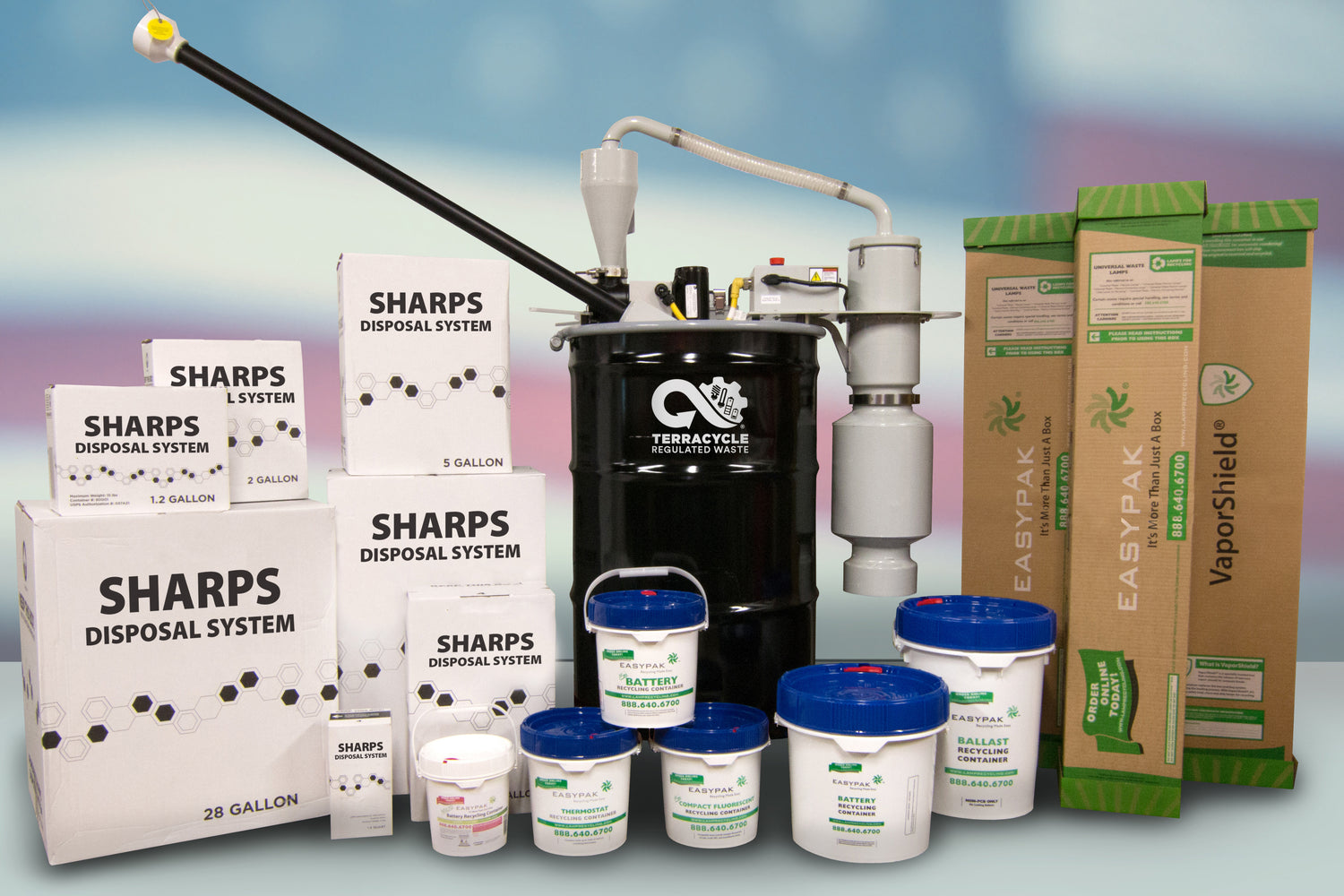
A safe turnkey mail-back solution for lamps, batteries, ballasts, e-waste, aerosols, PPE and more.
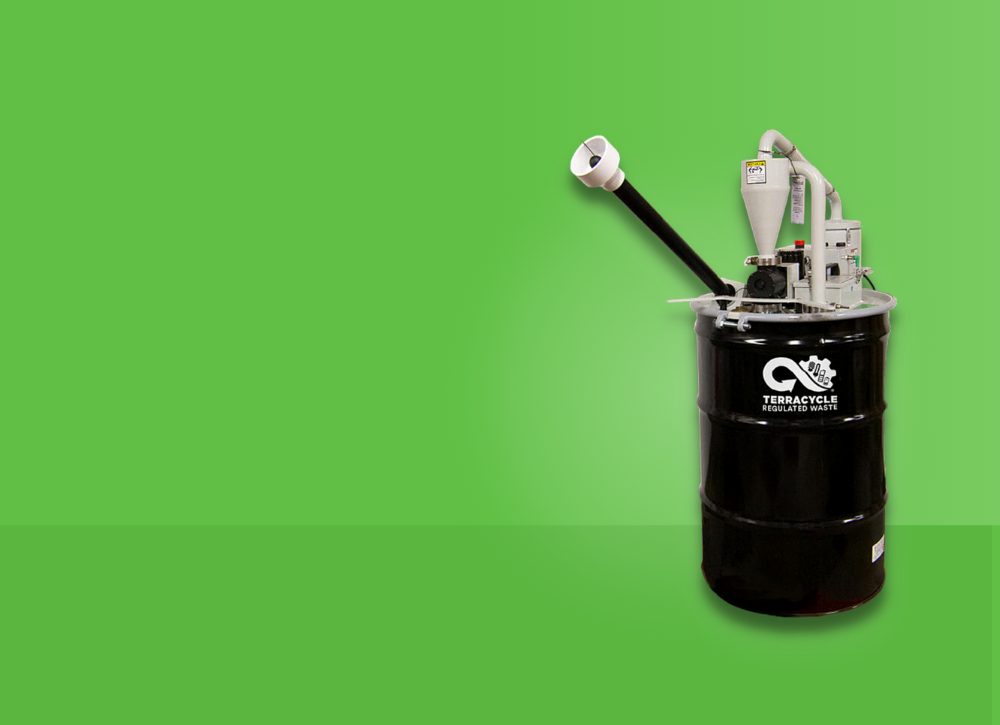
Say goodbye to traditional methods of fluorescent bulb disposal and step into the future of environmental sustainability with the Bulb Eater! Plus, keep your Bulb Eater running smoothly for a long time with our wide range of Bulb Eater parts.
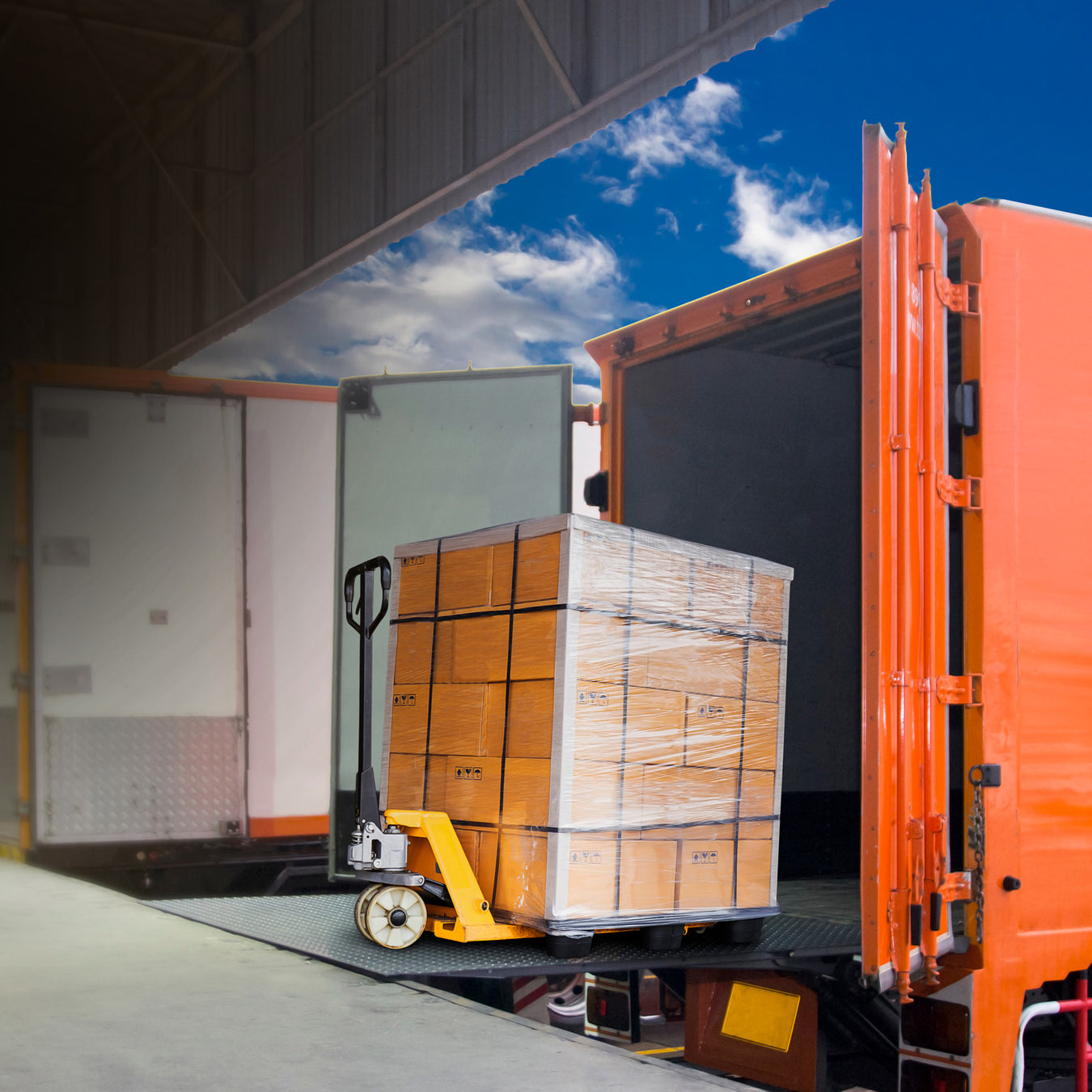
Our nationwide network provides a cost-effective solution for recycling large amounts of intact or crushed lamps, ballasts, batteries, e-waste, or solar panels.
As a TerraCycle company, we are on a mission to Eliminate the Idea of Waste®. With over 40 years of industry experience, we focus on providing turnkey recycling solutions for Universal Waste.
Our award-winning programs range from recycling large volumes of spent fluorescent lamps to personal safety equipment while offering truly customizable solutions that can easily be adapted to fit your needs.

We have a dedicated team of experts with years of experience in the industry who are excited to use their wealth of knowledge and passion to help you. From waste assessment to tailored recycling plans, our team works closely with you to ensure the highest standards of environmental responsibility are met. But we don't stop at expertise alone – our exceptional customer service sets us apart.
We believe in open communication, transparency, and a customer-first approach. Have questions or need guidance? Our friendly staff is here to assist you every step of the way.
Excellent value for the money. The Bulb Eater® has immediately helped us reduce lamp storage and create a safer storage environment, while allowing us to add another item to our waste reduction efforts in the City of Auburn.
André Richardson
Environmental Services
City of Auburn, AL
The EasyPak™ program is outstanding – really easy to use. We just pack our waste and ship it out; it’s as simple as that!
Eric Anderson
Harvard Pilgrim Health Care
TCRW makes it so easy. Our rep is very responsive when I call and leave a message. We are a small scale operation in terms of recycling, but TCRW makes me feel like I am their number one customer.
Lita Bilotti
Town of Telluride, CO
Love TerraCycle Regulated Waste and my Bulb Eater®. Easiest, most economical way to recycle bulbs ever. We love it and recommend it to anyone who uses a lot of bulbs.
Melissa Sisk
Cocke County Board of Education
Newport, TN
Customer service is outstanding, website works great. I have recommended your product to other organizations.
Kimberly-Clark
Roswell, GA
We absolutely love recycling with TerraCycle Regulated Waste. For linear fluorescent bulbs, we use the VaporShield box, and the CFL Box for the small bulbs. We love this process, and it saves us so much time. TCRW was recommended by Coke Industry, and I recommend this process at all my Association meetings.
Gary Fink
Royal Caribbean Cruises LTD.
The lamp recycling box makes doing the right thing easy. It's affordable and simple to use. The customer service team is excellent.
ING
West Chester, PA
This is a great program. Having a resealable pail to put the batteries in is so much better than using a box like we did with a past recycling effort. I also appreciated the reminder that it was time to send back the full pail. The automatic reorder of a new pail upon return of the old one also makes this program easy. I really appreciate the simplicity of this excellent program.
Jeff Millis
Talan Products Inc.